
15 Most Endangered Animals (2024)
In 2022, what are the most endangered animals? The answer might surprise you.
The IUCN Red List is the world’s most comprehensive guide to the global conservation status of animal, plant, and fungi species. Currently, more than 40,000 species on that list are threatened with extinction. Among these endangered species are 37% of all sharks and rays, 26% of all mammals, and 13% of all birds.
Determining the conservation status of an animal is a complex issue that takes into account many different factors. One of these factors includes the speed at which the overall population is declining rather than the population number itself. That is why although a species’ population number might sound high, they are still considered endangered.
Wondering which endangered animals are most at risk in 2022 and which animal populations are responding well to conservation efforts? Here’s a list of 15 animals on the brink of extinction that we need to protect more today.
15 Most Endangered Animals
- African Forest Elephant
- Eastern Lowland Gorilla
- Giant Ibis
- Hawksbill Turtle
- Javan Rhinoceros
- Orangutan
- Vaquita
- Gray Wolf
- Irrawaddy Dolphin
- Koala
- Bluefin Tuna
- Tiger
- Giant Panda
- Polar Bear
- Island Fox
1. African Forest Elephant

African forest elephants inhabit the dense, tropical rainforests of west and central Africa. Their population dropped a staggering 86% between 1984 and 2015, making them one of the most endangered animals in the world.
Forest elephants have a slow gestation rate, meaning populations take longer to bounce back. The biggest threats faced by Africa’s elephants are poaching and habitat loss. In Southeast Asia, elephant tusks are sought after, while the degradation of their land fuels a growing human population and agricultural needs.
- Conservation Status: Critically Endangered
- Current Population: 415,000 (All African elephants in total, Savanna & Forest)
- Conservation Efforts: Elephant Conservation
2. Eastern Lowland Gorilla

Residing in the tropical forests of the eastern Democratic Republic of Congo, the eastern lowland gorilla is the largest of its subspecies. Their population has declined more than 50% since the 1990s.
Threats to the gorillas include habitat loss and degradation and unstable conservation efforts due to political conflict. The biggest threat to the gorillas is poaching and trade.
Eastern lowland gorillas are sought after for bushmeat hunting, and their bodies are used for food, medicine, and believed lucky charms. Ongoing conservation efforts include stopping illegal trade, increasing protected habitats, and pushing protection policies.
- Conservation Status: Critically Endangered
- Current Population: Estimated 4,000
- Conservation Efforts: The Gorilla Agreement, International Gorilla Conservation Program
3. Giant Ibis

The Giant Ibis is Cambodia’s national bird, living up to its name with a captivating size, inhabiting lowland swamps and forests. The small population of this critically endangered species can be found mainly in Cambodia, with sightings in Vietnam.
This bird is already extinct in Thailand. The biggest threats faced by the Giant Ibis are deforestation, hunting, and human disturbance. Ongoing conservation efforts include the protection of the species’ breeding and foraging habitats, which is fuelled by the help of local communities.
- Conservation Status: Critically Endangered
- Current Population: Estimated 200
- Conservation Efforts: Giant Ibis National Action Plan
4. Hawksbill Turtle
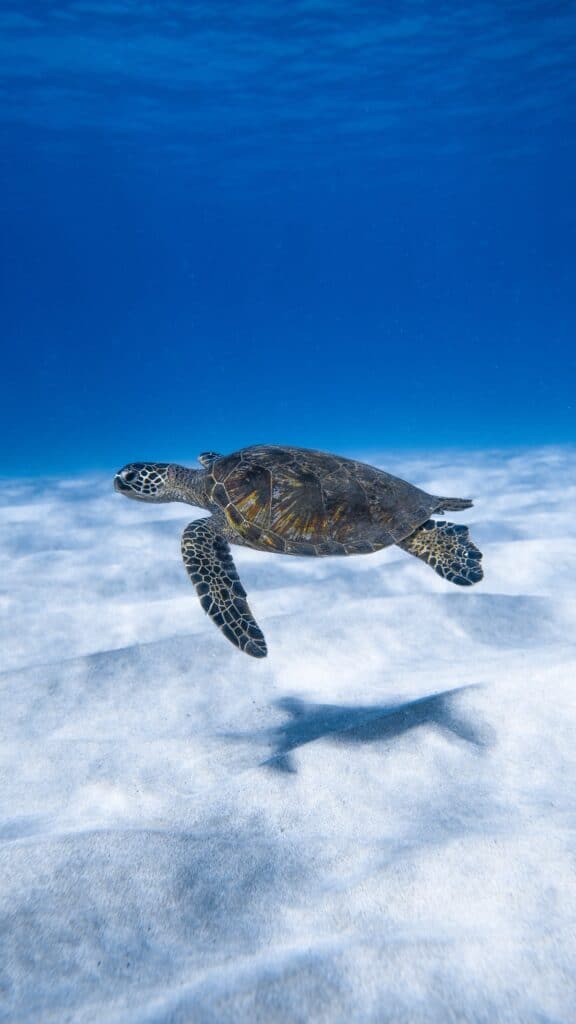
The remaining population of the hawksbill turtle can be found all over the world. This critically endangered turtle nests and resides anywhere from Puerto Rico, to Hawaii, to Australia.
There are many threats faced by the hawksbill turtle, including loss of habitat, loss of feeding ecosystems, pollution, fishery equipment, and illegal wildlife trade. Ongoing conservation efforts include bycatch prevention, monitoring of nesting sites, and proper ocean and beach recycling.
- Conservation Status: Critically Endangered
- Current Population: Estimated 8,000
- Conservation Efforts: American Oceans, National Oceanic and Atmospheric Administration
5. Javan Rhinoceros
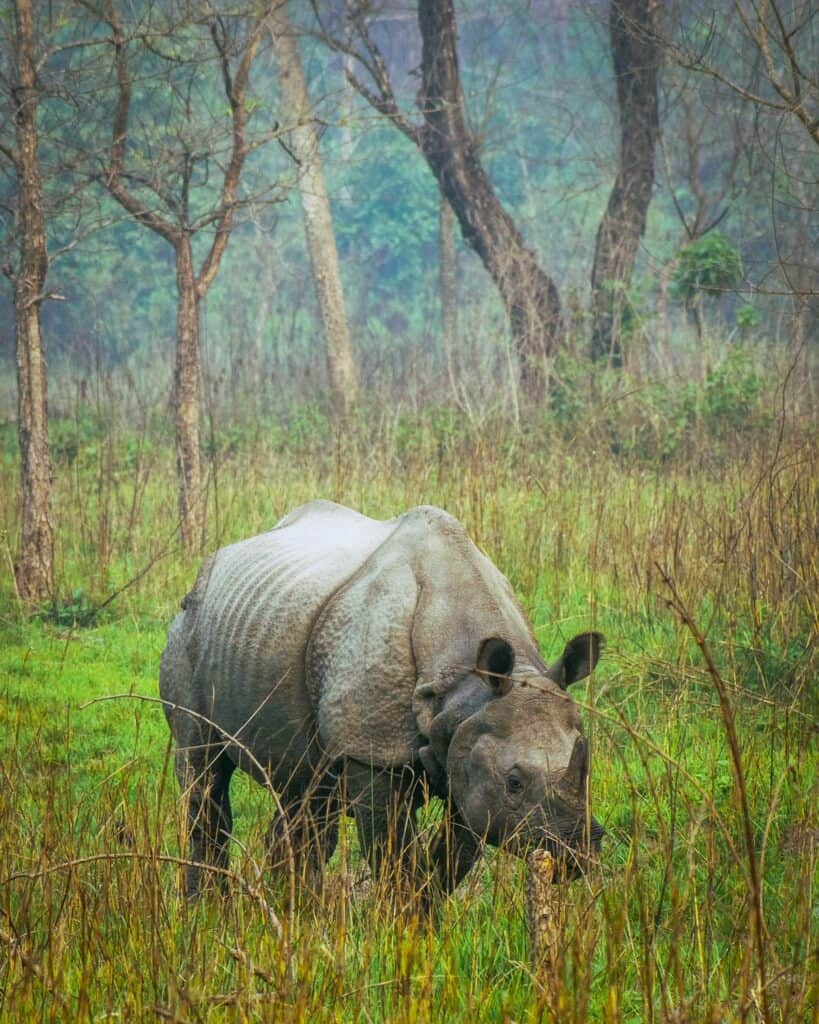
Javan rhinos live exclusively in Ujung Kulon National Park in Java, Indonesia. WWF and Rhino Protection Units work to keep a healthy and safe habitat for the last of these endangered animals. They even work to eradicate invasive plant species to maintain native food sources for the rhinos.
Before the national park, the biggest threats that Javan rhinos faced were habitat loss and poaching. Conservation efforts aim to provide a healthy, monitored habitat for the rhinos.
Park patrol units work to prevent any poaching. It has been over a decade since a Javan rhino was poached!
- Conservation Status: Critically Endangered
- Current Population: Estimated 75
- Conservation Efforts: Save the Rhino, International Rhino Foundation
6. Orangutan
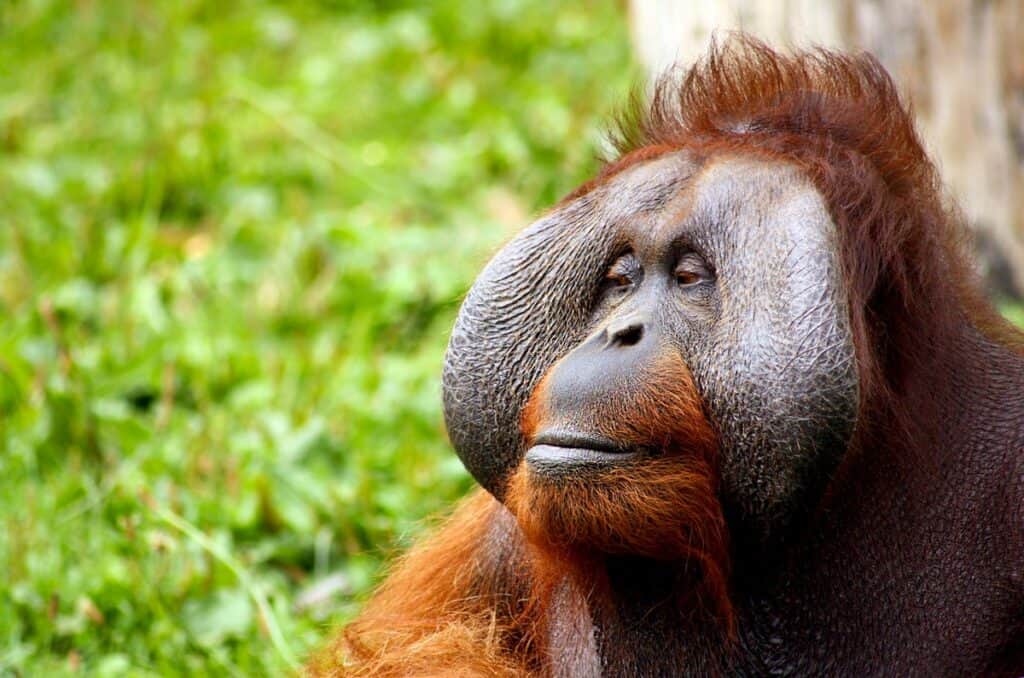
Orangutans inhabit the tropical rainforests of southeast Asia. The three species – Bornean, Sumatran, and Tapanuli – are all known for their distinct red fur. They are the largest tree-climbing mammals and rarely step foot on the ground.
Vibrant forest habitats are essential to their survival. Rapid destruction and degradation of forests from human logging or environmental wildfires are the main threat to the survival of the Orangutan. WWF works with partners on many conservation efforts. This includes anti-poaching, stopping the pet trade, sustainable forestry, agriculture efforts, and habitat preservation.
- Conservation Status: Endangered, Critically Endangered
- Current Population: 104,700 Bornean, 7,500 Sumatran, 800 Tapanuli
- Conservation Efforts: International Orangutan Foundation, World Wildlife
7. Vaquita
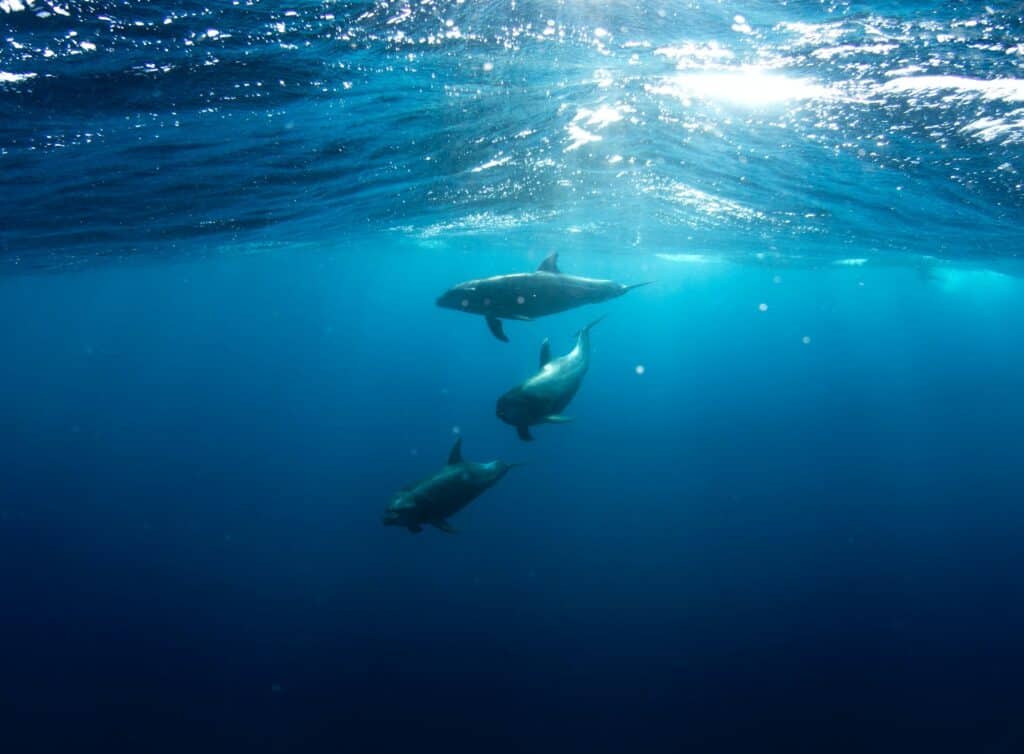
Vaquitas are the rarest marine mammals in the world and are only found within Mexico’s Gulf of California. Recent estimates show there may only be around ten left.
Within the last decade, the vaquita population has dropped a shocking 90%. They drown in illegal gillnets that are set to catch the endangered totoaba fish. The swim bladder of the totoaba fish is prided in China for its medicinal value.
- Conservation Status: Critically Endangered
- Current Population: Estimated 10
- Conservation Efforts: Save the Vaquita
8. Gray Wolf

The gray wolf resides across the United States in various habitats, from woodlands and grasslands to deserts. This endangered animal plays an important role in the health and functioning of its ecosystem. Threats that face the gray wolf are legal and illegal shootings, overhunting, and traffic.
Recent controversy has taken place surrounding the conservation efforts of the grey wolf. In early 2021, protection for wolves was removed when the animal was removed from the IUCN Red List.
By early 2022, after environmental groups filed a lawsuit, protection for wolves was restored. While being delisted, mass killings occurred across the United States, depleting population progress.
- Conservation Status: Endangered
- Current Population: 12,650 to 16,850
- Conservation Efforts: Save Our Wolves
9. Irrawaddy Dolphin
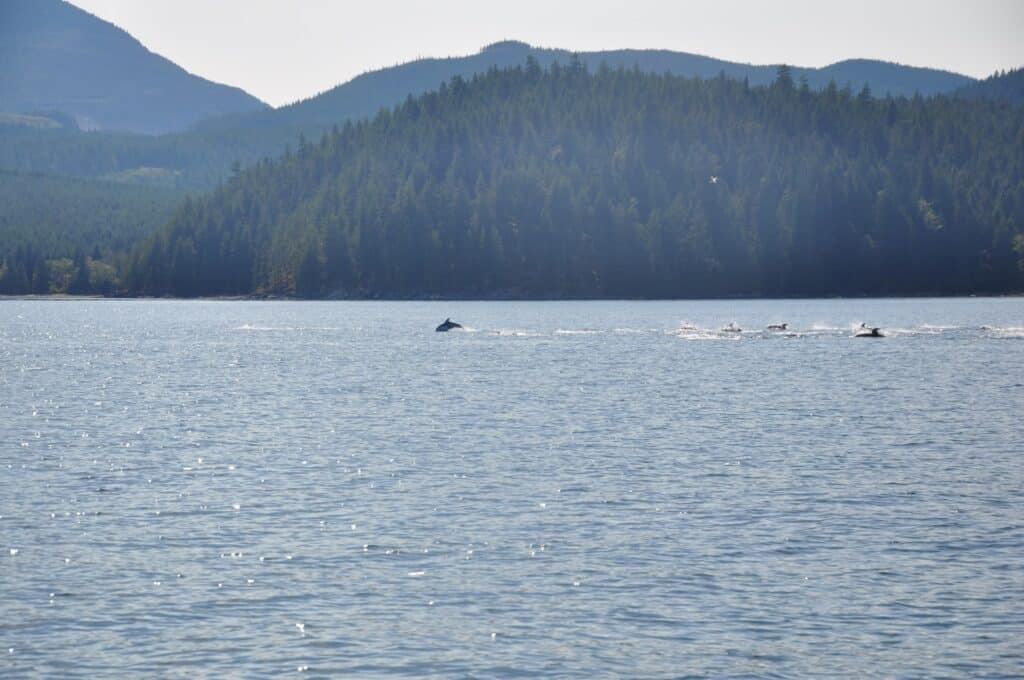
Irrawaddy dolphins inhabit three coastal rivers in South and Southeast Asia. They are considered sacred animals in Cambodia, providing jobs and income for local communities. Thousands of tourists come from all around the world for a chance to see this endangered species.
The Irrawaddy dolphin faces many threats, including habitat degradation and contamination and food source depletion. Its main threat is the illegal fishing industry. WWF, Cambodia’s Fisheries Administration, Endangered Species International, and local authorities and communities all work to monitor the species and stop as much illegal fishing as possible.
- Conservation Status: Endangered
- Current Population: Estimated 92
- Conservation Efforts: The Cambodian Mekong Dolphin Conservation Project
10. Koala
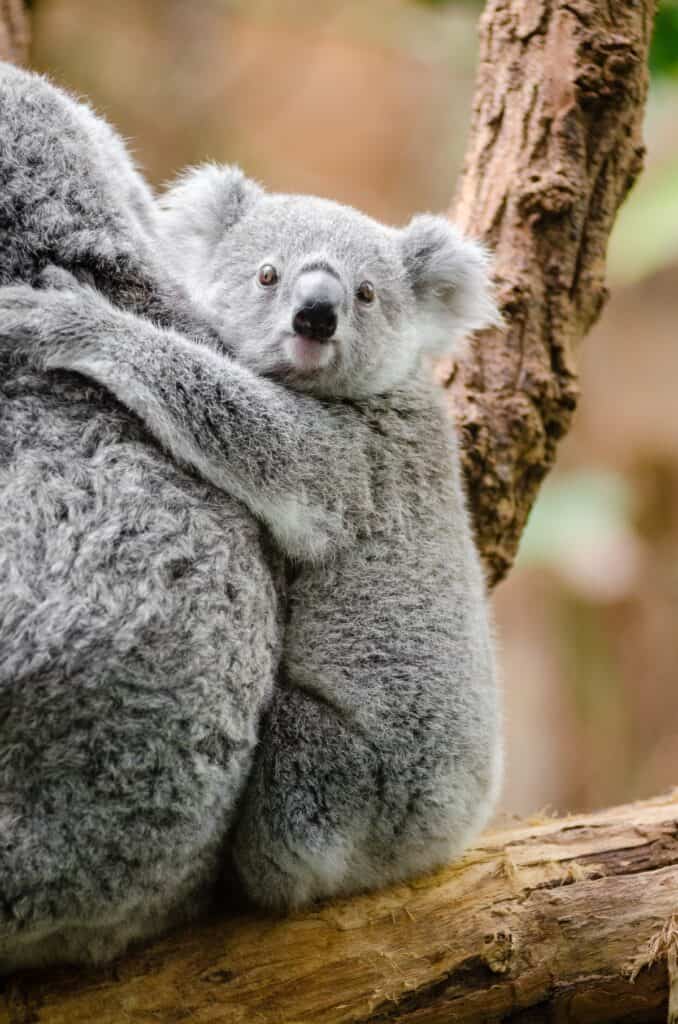
Koalas are an iconic Australian species. They hold cultural significance to Aboriginal Australians and are recognized by many around the world. In the wild, they inhabit Australian bushland and survive on eucalyptus.
Bushland and eucalyptus forests are being cleared at alarming rates. The main threat faced by Koalas is mass habitat loss.
This endangered species also suffers from bushfires, human disturbance, habitat contamination, and overcrowding, causing stress, disease, and food competition. Conservation efforts include medical treatment, habitat preservation, and ongoing work to change policies.
- Conservation Status: Endangered
- Current Population: Estimated 100,000 (Possibly as low as 43,000)
- Conservation Efforts: Australian Koala Foundation
11. Bluefin Tuna

Bluefin tunas are large, fast predators who migrate across all oceans. An accurate population status is hard to predict as they spend their lives swimming in the open ocean. Stock assessment models are used to gauge their population.
As an extremely popular and prized sushi fish, the biggest threat to bluefin tuna is overfishing. Conservation efforts aim to preserve a healthy bluefin population. Harvest requirements and catch quotas are implemented by countries and commissions.
- Conservation Status: Endangered
- Current Population: Indeterminate
- Conservation Efforts: Bluefin Boycott
12. Tiger
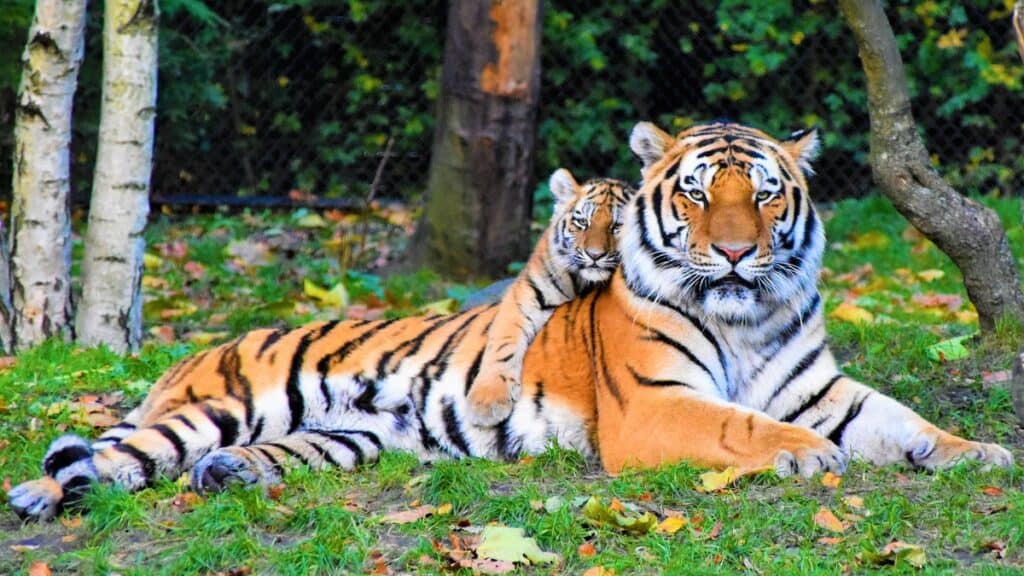
Tigers are top predators in their habitats. They are essential in maintaining health and balance in their ecosystems. The widely recognized Global Tiger Initiative works with governments, local communities, and organizations on conservation efforts like habitat preservation.
Over 80% of wild tigers now live in WWF-supported landscapes. Tiger populations are on the rise in Bhutan, China, Nepal, and Russia. There is still work needed to preserve tiger populations in places like Southeast Asia.
- Conservation Status: Endangered
- Current Population: Estimated 3,900
- Conservation Efforts: Wildlife Conservation Society
13. Giant Panda

The giant panda, China’s national treasure, is a powerful symbol around the world for endangered species conservation. These peaceful inhabitants spread seeds and promote vegetation in their environments, improving the livelihood of local communities.
The main threat that pandas now face is habitat loss. Conservation efforts have seen many successes, such as reducing poaching, illegal logging, developing nature reserves, and successful projects helping humans and pandas coexist sustainably.
- Conservation Status: Vulnerable
- Current Population: 1,864 in the wild
- Conservation Efforts: World Wildlife
14. Polar Bear
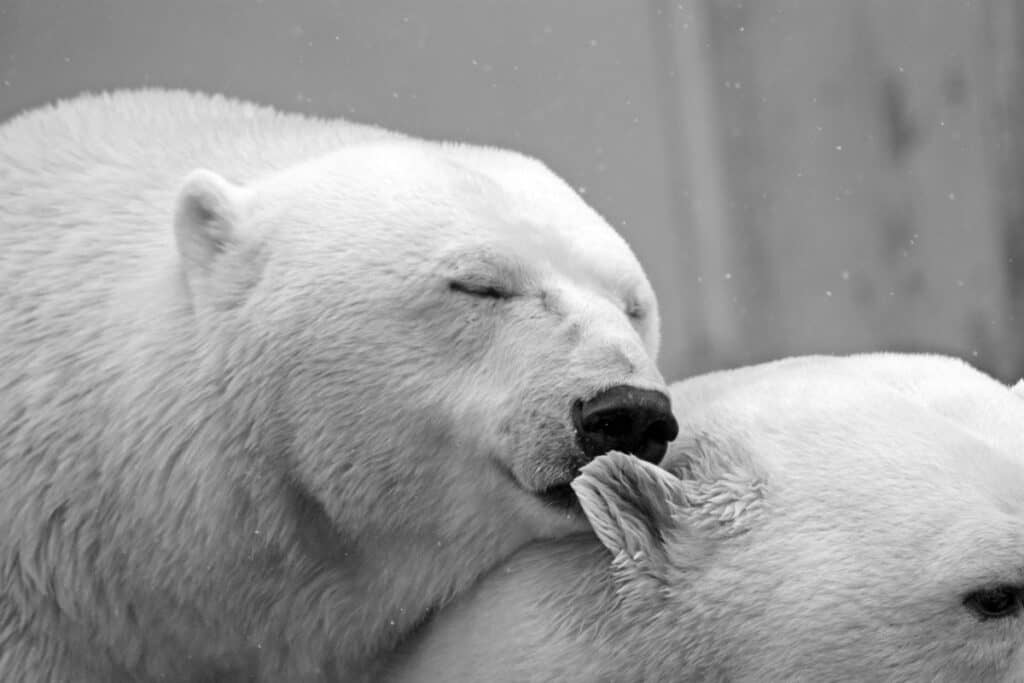
Polar bears are the Arctic’s top predators and the largest bear in the world. These resilient animals are great swimmers, have an insulating and water repellent coat, and spend a majority of their time hunting on the ice.
The main threat to polar bears is climate warming causing the loss of ice that they depend on to hunt, breed, and travel. Threats also include pollution, human conflict, and increasing commercial activity.
Conservation efforts have seen success in hunting regulation. Without serious climate action, polar bear populations could face near extinction by the end of the century.
- Conservation Status: Vulnerable
- Current Population: 22,000 – 31,000
- Conservation Efforts: Polar Bears International
15. Island Fox

The island fox only inhabits 6 of the 8 Channel Islands off the coast of southern California. In 1999 their population dropped to 100, bringing them close to extinction.
Since then, the island fox population has seen an incredible recovery and is now considered healthy. Threats to the island fox still include disease, parasites, and climate change impacts, such as drought and wildfires. Conservation efforts continue to ensure widespread fox vaccinations and habitat restoration.
- Conservation Status: Threatened
- Current Population: Estimated 8,702 (Across all 6 Channel Islands)
- Conservation Efforts: Island Fox Conservation
How to help animals that are endangered?
There are many things we can do as a people to help our animal friends that are in danger of extinction. Here are a few tips for taking up the cause of conservation.
1. Visit a wildlife refuge
Wildlife refuges and national parks are protected lands for the native wildlife in the area. You can donate to different wildlife sanctuaries that are playing a big role in keeping our animals alive.
If you have the time and energy, volunteer at a nature center. One of the great things about wildlife recreation is they support local businesses and create jobs. You can search “wildlife refuge near me” to find ones that are in your area.
2. Avoid purchasing products made from endangered species
When you travel overseas, be mindful not to buy any products made from animals. Examples of these products are ones made of fur, skin, and ivory. Making these products less profitable will discourage others from harming wildlife to get them.
3. Be more sustainable
Living a sustainable life can have a huge impact when it comes to protecting animals. Many endangered ones live in forests. Cut down on your use of paper, so fewer trees are cut down.
Another thing you can do is recycle your cell phones. The mineral used in them is mined from gorilla habitats. Less mining means fewer of their home gets destroyed.
Overall, you can continually educate yourself on what’s causing the loss of our animals and what you can do to make a difference. You can also inform your family and friends and get more people to join the cause of protecting our wildlife.



This article needs fact checking. I don’t know much about most of these animals, but I have read a lot about Vaquitas. Your info stating they are a delicacy in China and that they’re hunted for their “retail value” is inaccurate. They get trapped in nets that are there to catch an entirely different animal (illegally) — the totoaba fish (also endangered) for its perceived medicinal properties in some countries. Also, I’m not sure the photo used is even of vaquitas. The nose doesn’t really seem to be the right shape, and their distinctive black markings aren’t visible… This just seems like sloppy reporting. I didn’t even read the rest of the list because I realized I couldn’t trust this article for accurate information. Disappointing.
Hi Sarah. Thank you for highlighting the error in this article. It has since been corrected. There are also various links that have been included which support the information here. Given that you read all the way up to the seventh listed animal, we do hope you’ll read the rest of the article.