How to Avoid Greenwashing (14 Tips)
Sustainability is the buzzword many businesses use to attract customers who care about the environment. Companies may also use words like “eco-friendly”, “all-natural”, and “organic” to describe their products, even if it’s not entirely true.
Consumers wield a sizable amount of power over the market. The average person’s daily purchases can influence how businesses manufacture and sell their products.
It’s important to understand a few approaches to spotting and identifying companies that are greenwashing. At the end of this guide, you’ll be better able to avoid being fooled by businesses that are falsely claiming to be eco-friendly.
What is Greenwashing?
In several scenarios, companies that use terms like “green” are not bound by any regulatory marketing standards. It allows several brands to advertise themselves with misleading claims and untruthful products.
Greenwashing is when a brand misleads its target audiences into buying from them by making their products seem eco-friendly. They do this rather than actually making their product eco-friendly.
Purchasing a product as a result of its sustainable tag will only add to the profit of the manufacturer without offering you the sustainability it promises. With that said, here are some reliable insights to help you steer clear of greenwashing during your next shopping trip
14 practical tips on avoiding greenwashed products
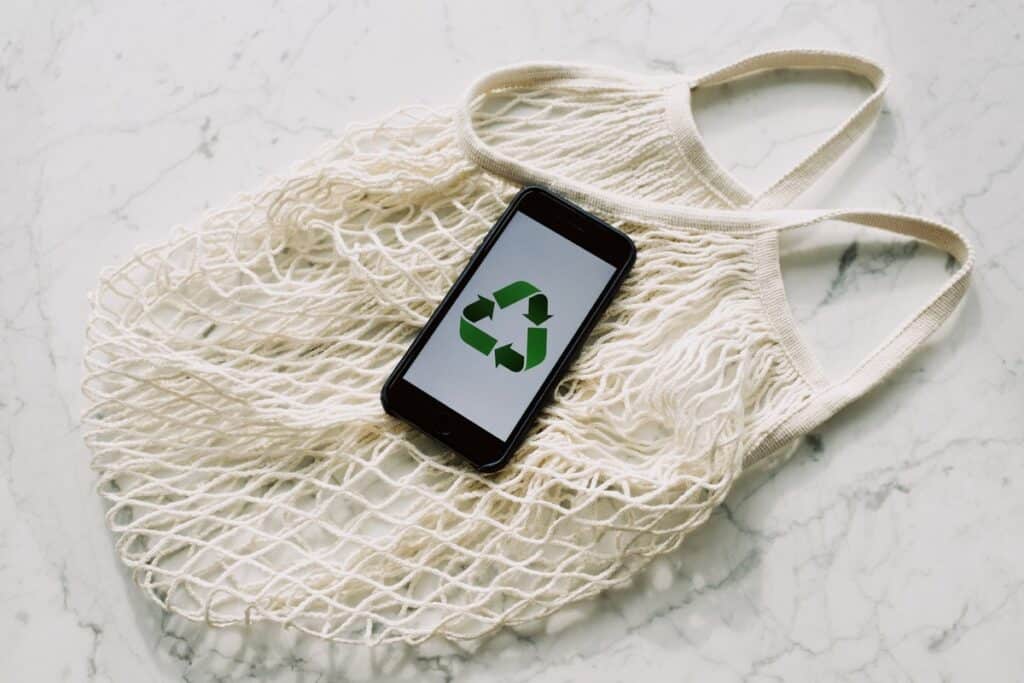
1. Delve deeper into whatever the brand claims
If the product you intend to purchase is online, you can always go on their website to seek more information. Suppose you find a significant percentage of the information on the website is unclear or broad. There’s a good chance the brand is greenwashing.
2. Look for specific measurements
A company should do more than just say their product is organic or eco-friendly. Check for specific measurements. An example would be a shirt that’s made of 70% organic cotton.
Related: 20 Natural and Organic Clothing Brands You Need to Know
3. Confirm Certification
A certification tag usually ensures that the company is being honest that their product is organic and natural. An example of certifications include:
4. Always watch out for irrelevant claims
Essentially, always be on the lookout for claims that are somewhat true, but do not correlate with the brand or product. One common instance of this is touting a brand as CFC-Free, whereas CFCs can not be used legally. This is never a valid indication of a sustainable and eco-friendly product.
5. Look out for all prevalent greenwashing terms
These words include non-toxic, plant-based, all organic, natural, eco-friendly, green, and plant-derived. Natural does not necessarily denote eco-friendliness, as such, strive to be very skeptical about some of these claims.
6. Always ask questions
Never get scared to contact companies and challenge their claims. If you’re not so certain, you can always browse through sourcing and ingredient data on websites of the company.
7. Watch out for brands built on the Lesser Of Two Evil motion
Sometimes, a brand may claim to be greener than its competitors. However suppose the industry as a whole is an unsustainable one, was there any difference made? Judge every company on it’s merits.
8. Transparency is key
If a company is not completely open in sharing where they source their material and other relevant information, they may not be eco-friendly. Make sure the company shares how they manufacture and ship all their products. Check if they follow fair trade labor standards and create their items in a sustainable manner.
You can also ask if there are any sustainable causes they support or donate to? A real sustainable brand can establish itself as eco-friendly by proving how legit their actions are.
9. Approach shopping with an intention
Strive to complete your part in making eco-friendly decisions. One excellent approach to achieving this is conducting adequate research on products you intend to buy before approaching the store. Having done this, you can now opt-in for the specific item and not be a victim of greenwash adverts.
10. Purchase just a few things
Minimizing the amount you purchase and reusing the products you currently own remains the best approach to ensuring that you are sustainable. Don’t be fooled into thinking you have to replace every item you have with something more eco-friendly.
11. Seek recyclables and products with reduced packaging
In several scenarios, companies that leverage greenwashing as a strategy usually tend to have their products available in excessive packages. Be sure to buy from companies that recycle and use minimal packaging.
12. Examine the brand budget
With just a glance at the brand’s budget, you can always get a clear indication of the presence or absence of greenwashing. For the companies that have made their budgets public, check to see if they spend a significant amount on being sustainable.
13. Fibbing
Needless to say, this is a pretty obvious one. However, numerous brands go as far as making untrue claims about what they offer just to make them touted as green.
Suppose you’ve never had to predict what brand can tell lies to enhance their brand reputation. With just a few moments of extensive research about the brand, you can always uncover a lie.
Best of all, there are news sources and non-profit organizations helping to expose these falsely green companies. Here are 10 companies and corporations recently called out for greenwashing.
14. Sentimental advertising
The BP ad of the oil company being proud of cleaning up ducks that were dirty may seem nice, but it was their unsustainable practices that caused it. Advertising is continually designed to fool us into believing whatever a company wants us to believe.
No matter how emotional an ad may come across, always do your research. If we want a more sustainable planet, we have to stop buying from fake green companies, and start buying from real ones. With our collective change of purchasing habits, we can influence businesses that greenwash to really try being sustainable for a change.