10 Eco-Friendly Easter Ideas (2022)
Spring is finally here, and you know what that means. The holiday aisle in every store is bursting with colorful Easter decor, chocolates, and trinkets.
At first glance, it’s exciting and festive, but when you walk down the aisle, you’re reminded of the uglier truth. Decorations are meant to last one season, chocolates are wrapped in foils, plastics, and boxes, and everything will be replaced shortly by the next big holiday—all in a loop that happens year after year.
So, if you enjoy Easter traditions but not the unnecessary waste, there are many small changes you can make that lead to a bigger impact. Keep reading to discover ten different ways you can have a more eco-friendly Easter.
1. Use natural dyes for your Easter eggs
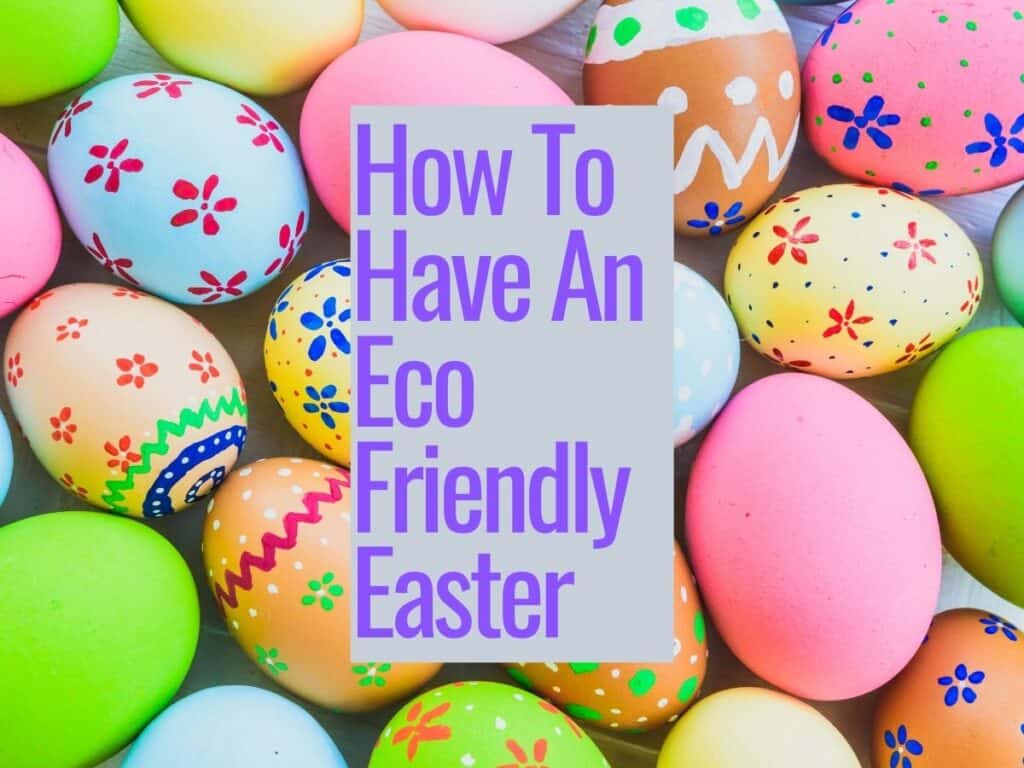
This activity is a classic, but did you know you can dye Easter eggs using foods already in your kitchen? Ingredients like purple cabbage, yellow onion, beet juice, and turmeric can create a rainbow of colors for sustainable crafts.
Just boil these ingredients in water, add them into a jar with a splash of vinegar, and leave the eggs to soak overnight. Otherwise, opt for one of the many non-toxic store-bought dyes available on the market.
2. Choose eco-friendly eggs for the hunt
Not willing to give up the good old-fashioned Easter egg hunt? There are a few different ways to make an egg hunt more eco-friendly. First things first, stop buying new bags of hollow plastic eggs each year.
Instead, choose a more sustainable option like hollow Easter eggs made out of wood or plant-based Easter eggs made from recycled materials. If you already have a bunch of those plastic eggs laying around from previous years, just keep reusing them. You can also repurpose plastic eggs by making them into a decoration, such as an Easter wreath.
3. Swap out the plastic grass
Another way to make an Easter egg hunt more eco-friendly is to swap out the decorative plastic grass that lines Easter baskets and gifts. You can shred up old newspapers, magazines, or wrapping paper. Recycle them after the holidays are finished, or keep them in the basket for next year. If you don’t prefer the DIY route, consider investing in reusable recycled and recyclable Easter paper.
4. Reuse, repurchase, or repurpose an Easter basket
Instead of buying a cheap plastic basket every year, create your own Easter basket! Head over to the thrift shop and pick up a second-hand Easter basket. Use it as is or personalize it with your own eco-friendly decorations.
Turn old baskets lying around the house into new Easter baskets. All it takes is a coat of paint and a few crafty decorations.
Repurposing Easter baskets is a fun activity for the kids. After making memories with those baskets, they’ll want to use them year after year.
5. Compost your eggshells
If you are going to use real eggs for your Easter celebrations, make sure to compost all of your eggshells. Eggshells contain nutrients that make for a great addition to compost, soil, and plants.
6. Buy local, organic, or free-range eggs
When shopping for eggs to dye during Easter celebrations, it can be tempting to reach for the cheapest option. But this is another great opportunity to make Easter more sustainable. Not only will you be supporting local farmers and their ethical practices, but free-range organic eggs are more nutritious and better for the planet.
7. Opt for organic or fair-trade chocolate
Don’t worry; you don’t have to ditch the Easter chocolate. Thankfully for all the chocoholics out there, there are many brands dedicated to making sustainable chocolate products! When choosing eco-friendly Easter chocolate, it is important to look for a Fair Trade Certified brand.
This ensures all cocoa has been ethically sourced, meaning workers and communities have not been exploited, and cocoa producers earn a living wage. Some of the many brands that sell eco-friendly Easter chocolate are Forest of Hope, Cocoa Loco, Montezuma’s, and Green & Blacks.
8. Create unique eco-friendly treats
If your family doesn’t have a sweet tooth, there are many other eco-friendly treats that can be fun for the whole family. Instead of heavily packaged toys and chocolate, create fun and edible Easter-themed snacks.
Set fruits, vegetables, and nuts around the table and let imaginations run wild. Instead of hiding Easter eggs, have kids run around and collect packets of seeds that they can later plant in a garden or a pot. It is spring, after all!
9. Buy second-hand festive Easter outfits
If the urge to buy pastel-colored outfits for Easter photos is strong, don’t worry! There is an eco-friendly way to update your wardrobe around festive occasions.
There are so many online consignment shops that are dedicated to creating a circular fashion economy while providing really great selections of quality goods. To see a full list of these platforms, head over to our list of best online thrift stores.
10. Gift memories over objects
Keep true to the meaning of holidays by taking the focus off gifts and putting the focus on making memories. This is a great time to show kids that the gift of a fun experience outweighs the fleeting joys of a material object.
Create less waste by opting out of a seasonal toy that will soon end up in the trash. Instead, take a day trip with the family to the park, the zoo, or the aquarium. Sign up for a fun activity like painting pottery or playing mini-golf. The possibilities are endless.
There you have it. Ten different ways that you can make Easter more eco-friendly!